Because your kid already knows all this, and you’re just trying to keep up.
When your child starts shouting things like “IT’S A THREE-STAR!” or “MOM, THIS ONE’S SECRET!” — don’t panic. Pokémon cards come in different levels of rarity, each with its own symbol and sparkle level. The very best of cards will have art all the way to the bottom of the card, the art will be super-duper cool, and you’ll see a lot of texture to the card. Here’s a quick cheat sheet so you can nod confidently instead of panicking mid-pack-opening.
Quick Parent Summary: take a look at the bottom left of the card and follow this guide.
If it has one black star → it’s worth a lot…to a kid.
If it has one gold star → take it away from any sticky fingered kids and put it in a penny sleeve.
If it has two or three gold stars → take a photo, frame it, and prepare for squeals.
If the number on the bottom left is higher than the set total (aka first number is bigger than second number) and the art is the full length of the card (a.k.a. no box with Pokémon stats on it)→ congratulations, your child has pulled a “secret illustration rare” and you will hear about it for the next six months. These are your highest value card.
So do the stars = better card? In most cases, yes. But, just like Avril Lavigne, I’d like to ask Pokémon “why’d you have to go and make things so complicated?” because things like print rarity, set popularity, set year, and Pokémon character also influence the price tags.
Below is a more detailed breakdown of the types of card and their rarity based on the more recent card sets. Because just to make it EVEN more fun, the older sets have a slightly different star coding and card types.
When it doubt, consult trusted card value sites like www.tcgplayer.com.
And remember…If it sparkles → it’s special.
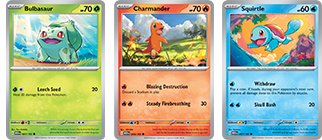
Common, Uncommon, and Rare Cards
Common Symbol: ● (Single black circle)
Uncommon Symbol: ◆ (Black diamond)
Rare Symbol: ★ (Black star)
What they are: These are the basic, everyday cards you’ll see littering all corners of your child’s room. Think of them as the Pokémon version of plain Cheerios — reliable, abundant, and often traded away within 10 seconds of recess starting. The only difference between common, uncommon and rare cards is the progression to better items, abilities, or slightly cooler Pokémon. This matters only if you’re playing the card game as the look and value looks exactly the same.
Why kids care: They don’t… unless it’s their favorite character. Then suddenly it becomes “the best card ever.”
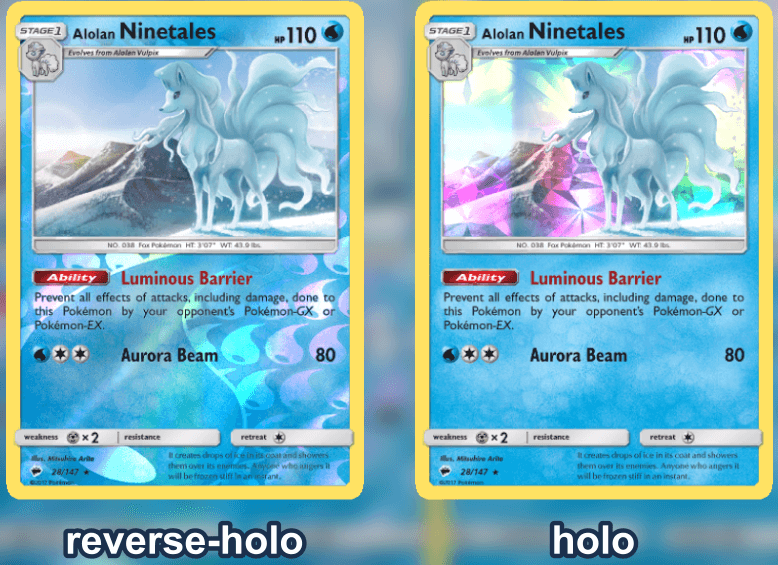
Holo and Reverse-Holo Rares
Symbol: ★ (Black star)
What they are: Same rarity as regular rares — but shiny. The artwork has a foil effect that makes kids gasp and parents go, “Ohhh, that’s pretty!”. These show up frequently in packs and feel more special than they technically are. Holos are shiny on the character box. Reverse holos are shiny on the description box.
Why kids care: Because shiny. Kids are basically magpies.
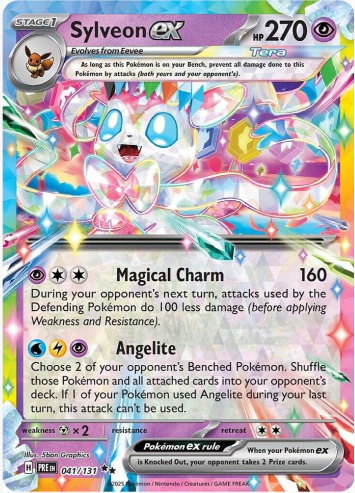
Double Rare Cards
Symbol: ★★ (Black Star)
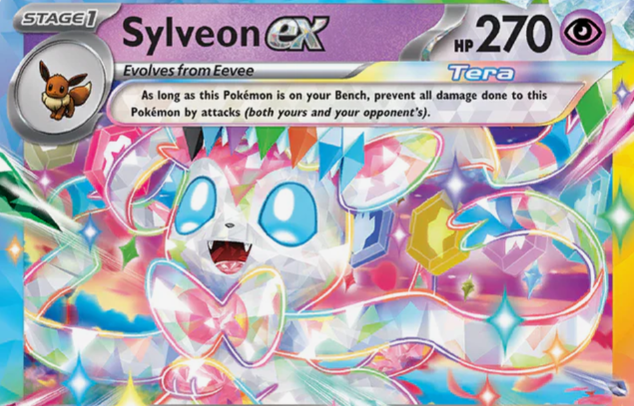
What they are: These are the fancier cards like EX, V or VSTAR — they have more elaborate art and stronger gameplay stats. While the artwork is pretty, these cards still have the stats inside a box and the card number is lower than the set total number on the bottom left of the card (e.g. 21/190). It’s that distinction that separates these cards from the more highly valued “secret illustration rare” cards (see below). The value of these cards usually ranges between $1 – $3.
Why kids care: Because the artwork is pretty and these cards make them feel like they just discovered treasure. The ones with the prismatic-like art (see Sylveon above) kids have dubbed “Diamond Cards,” and tears will be shed if they lose these.
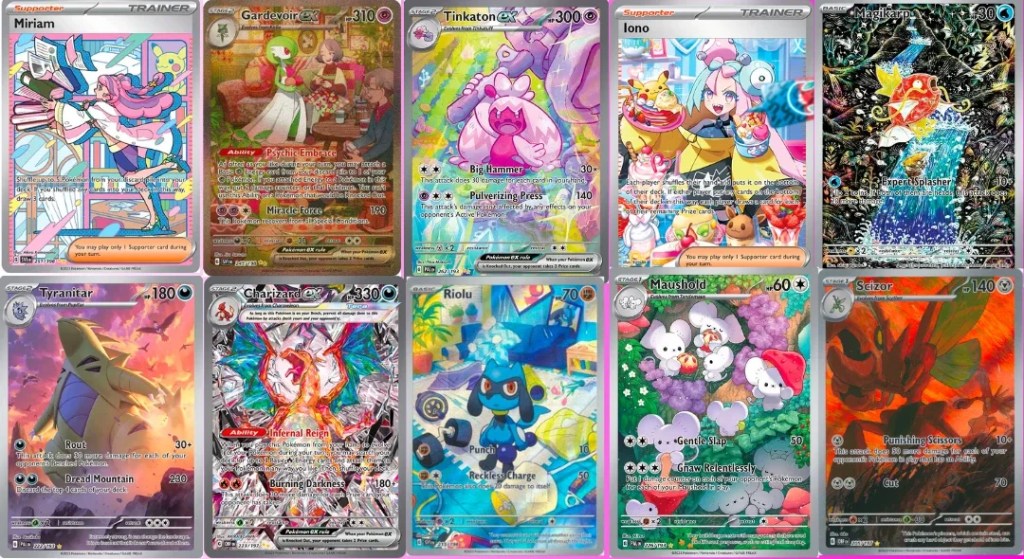
And now for the Secrets! These cards have “full art”, meaning that there is no box around the pokemon’s gameplay stats. The card number is higher than the total set number on the bottom left of the card (e.g. 201/190). This is where cards get fun, because they range from $5 – $1,000 in more recent sets. Generally, as you go down the card below, the art gets fancier and the sticker price gets more expensive, with double gold stars generally fetching the best prices.
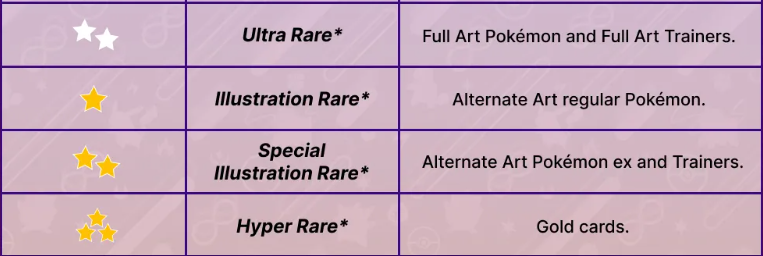
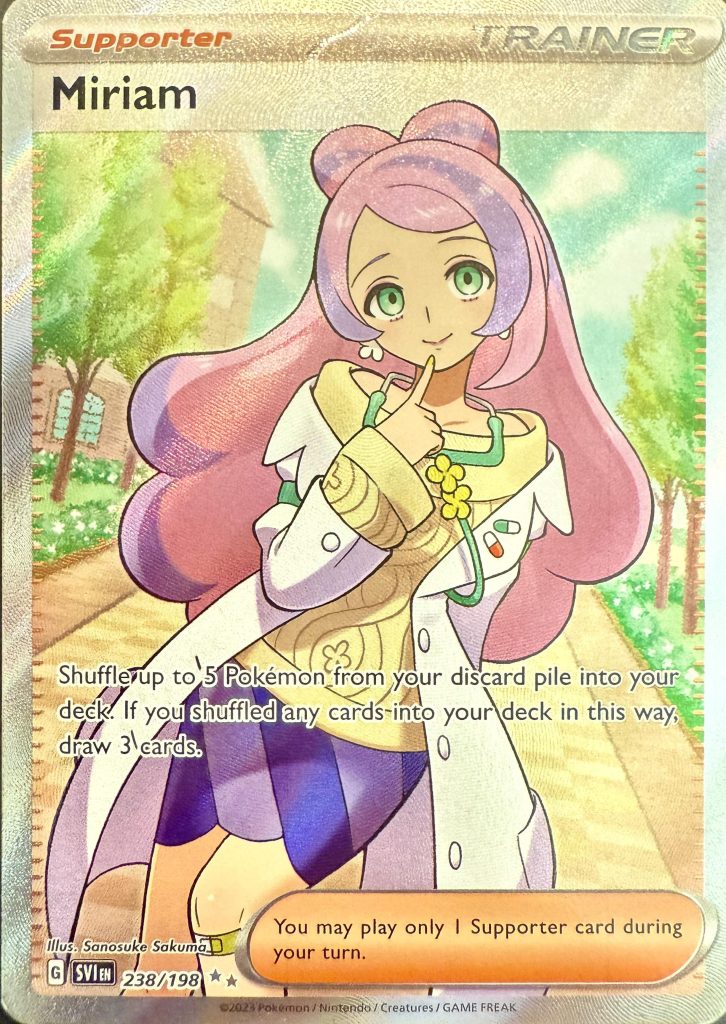
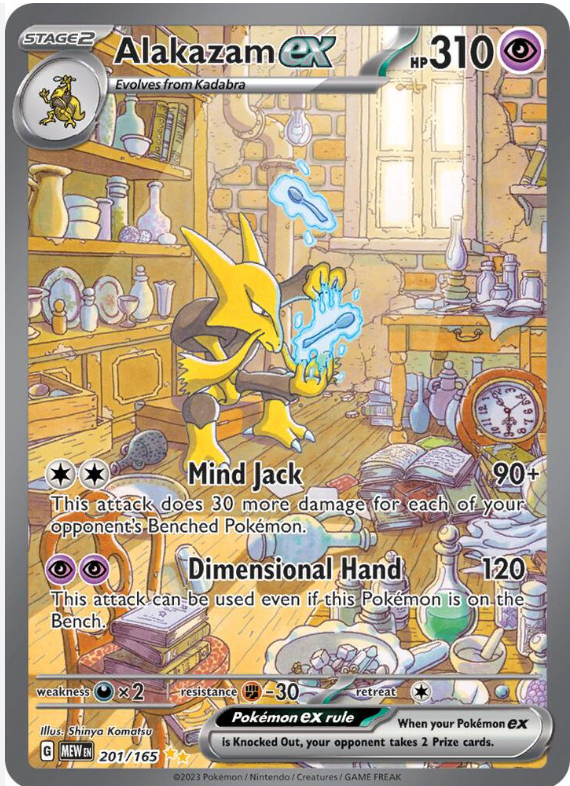
Ultra and Illustration Rare Cards
Symbol: ★★ Two Silver Stars or one ★ Gold Star
What they are: The entire card is artwork — no background box, no boring borders. Just full dramatic Pokémon fabulousness. The two silver stars are generally Trainers (left photo) and the one gold star is a Pokémon (right photo).
Why kids care: These cards look like they belong in a museum. Kids will show them to every adult who comes within a 10-foot radius.
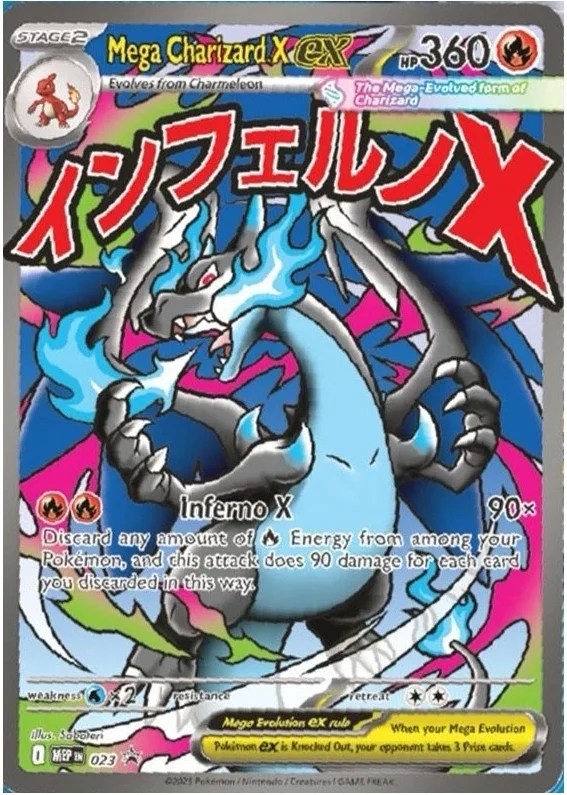
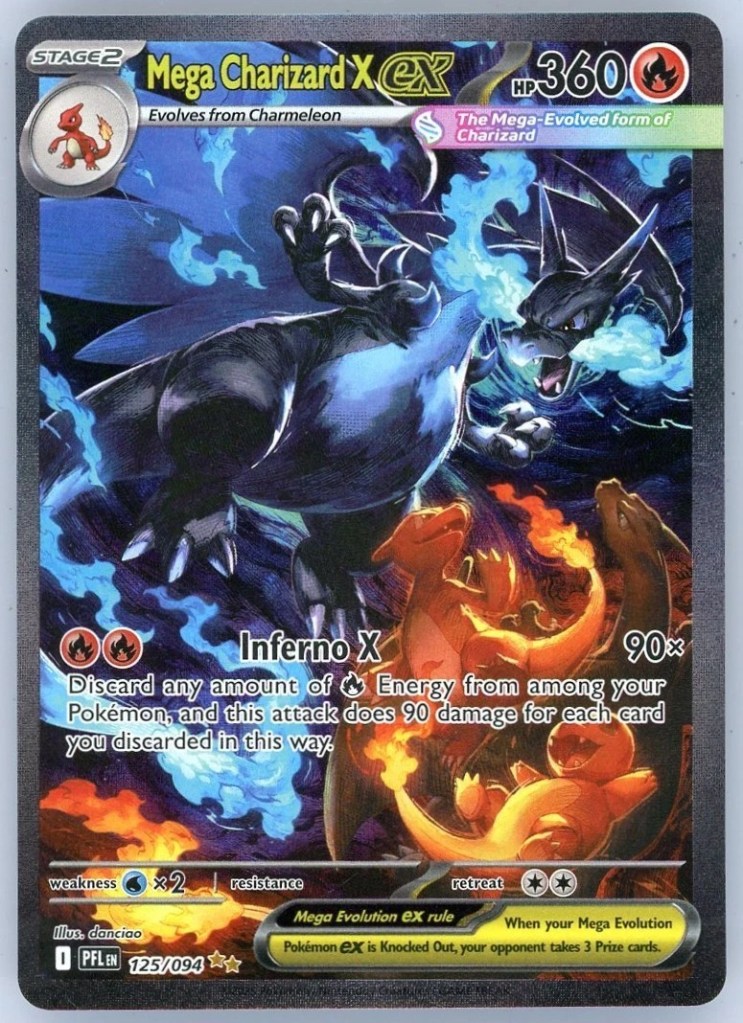
Illustration & Special Illustration Rares (aka Promo Cards)
Symbol: “Promo” or Two Gold Stars ★★
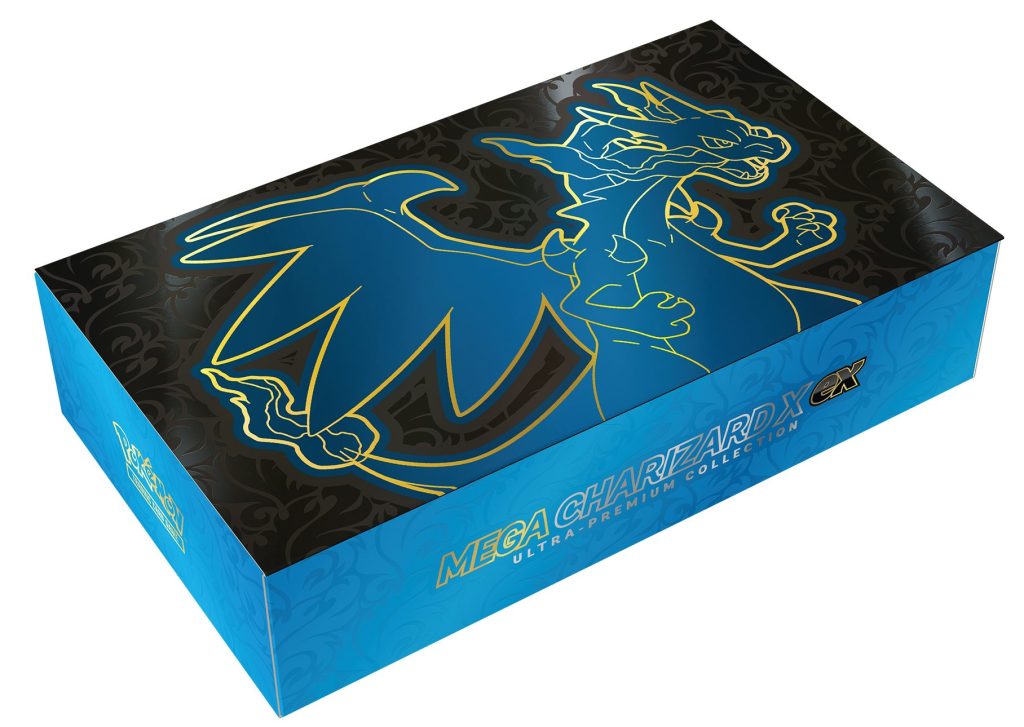
What they are: Beautiful, stylized artwork that looks hand-painted or storybook-like. These are some of the most collector-loved cards in modern sets. The card on the left is the Mega Charizard EX promo card, which comes sealed in every one of the Mega Charizard Ultra Premium box from the set “Phantasmal Flames” (don’t worry, your kid knows what all those words are). If kept sealed, this card is worth ~$50. The card shown on the right is the Mega Charizard EX Special Illustration, which is the best card you can get in the “Phantasmal Flames” set. This card, which does not come sealed, is worth $750.
The Promo cards usually come in special promotion sets. If you get one and it’s sealed, keep it sealed for more value. That is, if you can get your kiddo to listen to instructions on that.
Why kids care: Because these cards look “different” and “rare,” which translates to “DON’T TOUCH IT, MOM!”
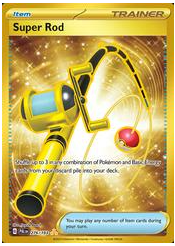
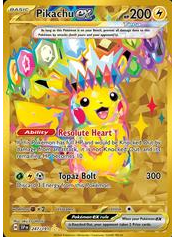
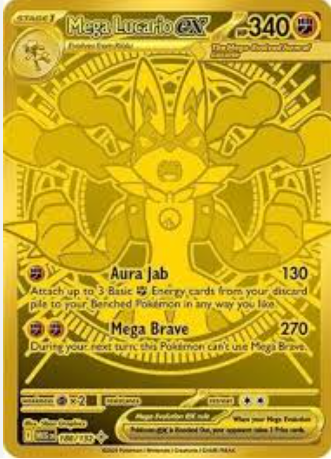
Gold Rares (a.k.a. Hyper Rares / Triple Stars)
Symbol: ★★★ (Three gold stars)
What they are: These are the big, sparkly heavy-hitters — gold foil backgrounds, dramatic art, and serious rarity. Some kids call these “super mega shinies,” and honestly, that’s not far off. These have a WIDE range of value. For example, the cards above, from left to right are Super Rod $8, Pikachu EX $70, and Mega Lucario EX $300.
Why kids care: Because when you open a gold rare, your kid will scream loud enough to concern the neighbors.
So… Is It Rare?
Generally speaking, if you see two or three gold stars, your kid is probably onto something exciting. But (because Pokémon loves to keep us humble) rarity also depends on the set, the character, the age of the card, and how hard it is to find in the wild. In other words: stars help, but context matters. And if you’re ever unsure, call me — or quietly consult TCG Player like the responsible Pokémon parent you now are.
 Pokemon Mom
Leave a comment